Keep, Repair, or Retire: Making the Call on an Aging Solar Asset
Learn how to assess whether to keep, repair, or retire your aging commercial solar system.
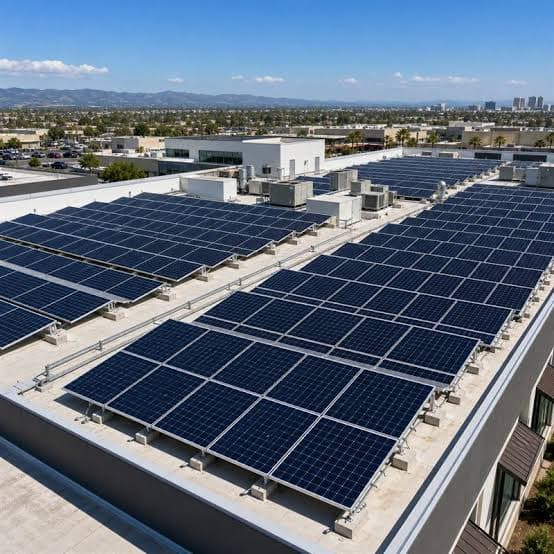
Your commercial solar system has been sitting on the roof for 15 years. But do you actually know what it's producing?
Across the country, commercial solar systems installed around 2010 are still operating today. Some continue generating reliable electricity, while others have experienced declining production, equipment failures, or years without proper maintenance.
The problem is that many owners have no way of knowing which category their system falls into. Early commercial solar installations often relied on monitoring equipment and communication systems that are now outdated, disconnected, or no longer supported. In some cases, the monitoring stopped working years ago, but the panels stayed on the roof. The building owner continues paying for insurance, roof maintenance, and other expenses associated with the system without knowing whether it's producing 95% of its expected output or just 60%.
If you cannot see what a system is producing, you cannot tell whether it is an asset or a liability.
For owners of aging commercial solar systems, that raises an important question: Is the system worth maintaining, does it need major repairs, or is it time to consider replacing it?
The Problem With a Solar System Nobody Is Watching
A solar system doesn't have to stop working completely to become a financial problem. An inverter might fail, leaving an entire section of panels offline. Electrical connections can deteriorate, panels can become damaged, and communication equipment can stop reporting production. Without reliable solar monitoring, these issues can go unnoticed for months or even years.
According to the National Renewable Energy Laboratory (NREL), solar photovoltaic systems experience performance degradation over time. Research has commonly found median degradation rates around 0.5% annually, although actual performance varies depending on equipment, installation conditions, and maintenance.
That gradual decline is expected. Major production losses caused by equipment failures are another matter. Consider a commercial solar system originally expected to generate 150,000 kilowatt-hours annually. If its current expected production is approximately 140,000 kWh, but it only generates 90,000 kWh because of undetected problems, the owner is losing 50,000 kWh in annual production. At an assumed electricity value of $0.15 per kWh, that's approximately $7,500 in lost annual electricity value.
Over several years, those losses add up. The owner may still believe the system is working because the panels are physically sitting on the roof. But without production data, there's no way to confirm it.
A Real Example: Evaluating an Older Commercial Solar Site
SunQuest Solar is currently working on an older commercial solar site that reflects a problem becoming increasingly relevant across the industry. The system has been in place for years, but understanding its current performance requires more than simply looking at the panels.
Before recommending repairs, replacement, or decommissioning, the first priority is determining the system's actual condition. That means examining the equipment, reviewing available production records, identifying monitoring limitations, and determining whether the system can continue operating economically.
This is an important distinction.
An aging solar system isn't automatically a bad investment. An aging solar system without reliable performance data is an investment the owner cannot properly evaluate.
Some systems installed in 2010 may have another decade of useful production ahead of them. Others may require expensive repairs that no longer make financial sense. The only way to make that distinction is through a proper commercial solar system assessment.
Keep, Repair, or Retire: Understanding Your Options
Once an owner understands the system's condition, there are generally three paths forward.
Option 1: Keep the System Running
If the system is producing electricity consistently, the equipment is in good condition, and operating expenses remain reasonable, keeping it may be the smartest financial decision.
Solar panels are designed for long operating lives. Many systems can continue producing electricity well beyond their original warranty periods. The U.S. Department of Energy provides information on solar technology, reliability, and the factors affecting long-term system performance.
For a healthy older installation, the priority should be maintaining production through regular inspections, functional monitoring, and preventive maintenance. Replacing a system simply because it's old could mean removing equipment that still provides substantial financial value.
Option 2: Repair or Upgrade Existing Equipment
Sometimes the panels themselves are still performing well, but supporting equipment is causing problems; inverters are a common example. Many commercial solar inverters have shorter expected operating lives than the panels they serve. An inverter installed in 2010 may already be approaching or exceeding its expected service life. Replacing a failed inverter, restoring monitoring capabilities, or repairing damaged electrical components could extend the system's useful life.
Owners should evaluate:
The cost of necessary repairs
The expected production recovered
The availability of replacement equipment
The condition of the remaining components
The system's expected operating life after repairs
A $15,000 repair might make sense if it restores substantial annual production and supports years of continued operation. That same repair might be difficult to justify if other major components are failing and the roof needs replacement soon. The decision should come down to the numbers.
Option 3: Plan for Retirement or Replacement
Eventually, some commercial solar systems reach a point where continued repairs are no longer economical. Major equipment failures, declining production, outdated electrical infrastructure, and upcoming roof work can all influence that decision.
For older systems, replacement may also provide an opportunity to install more efficient equipment and improve long-term monitoring. However, solar decommissioning requires planning. Panels, mounting equipment, wiring, and other components must be removed safely. Owners also need to consider disposal, recycling, roof restoration, and the costs associated with installing a replacement system.
The U.S. Environmental Protection Agency provides guidance on solar panel recycling and end-of-life management. The important point is that retirement should be a planned financial decision, not an emergency response to years of neglected maintenance.
Why Roof Replacement Changes the Conversation
One issue that frequently complicates aging commercial solar systems is the condition of the roof underneath them. A system installed in 2010 is now roughly 16 years old. Depending on the roofing material and its condition when the solar installation occurred, the building may be approaching a major roof repair or replacement. That creates an important decision. Should the owner pay to remove and reinstall an aging solar system, or would replacing the equipment make more financial sense?
Solar removal and reinstallation, commonly called R&R or detach and reset, requires specialized handling to protect the equipment and ensure it can be safely returned to operation. For a system with years of reliable production remaining, R&R may be the right choice. For a system already experiencing significant failures, it may be worth comparing the cost of R&R against decommissioning and replacement.
The worst time to decide about decommissioning is the week the roofer shows up.
Building owners should evaluate their solar equipment before scheduling major roofing work. Doing so can prevent unexpected expenses, project delays, and unnecessary labor.
What Every Owner Should Know About Their System
Before making any major investment in an older commercial solar installation, owners should be able to answer several basic questions.
1. How much electricity is the system currently producing?
Actual production should be compared against realistic expectations that account for the system's age, weather conditions, and original design.
2. Is the monitoring system working?
If production data isn't available, restoring monitoring or performing a diagnostic assessment should be a priority.
3. What condition is the equipment in?
Inverters, wiring, connectors, mounting systems, and panels should be evaluated for damage, deterioration, and safety concerns.
4. What repairs are likely over the next five years?
Understanding potential maintenance expenses helps determine whether keeping the system makes financial sense.
5. What is happening with the roof?
Upcoming roof replacement can significantly change the economics of repairing or retaining an older solar installation.
These questions help owners move away from assumptions and toward informed financial decisions.
How SunQuest Solar Helps Owners Make the Right Call
At SunQuest Solar, our focus is on servicing and maintaining existing solar systems. We understand that not every older installation needs to be replaced. In many cases, restoring monitoring, replacing failed equipment, or addressing maintenance issues can help owners recover lost production and extend the life of their investment.
Our commercial solar services include system diagnostics, inverter replacement, inspections, preventive maintenance, and solar removal and reinstallation. For aging systems, the first step is understanding what is actually happening on the roof. From there, owners can evaluate whether continued maintenance, major repairs, or eventual retirement offers the best financial outcome.
A system installed in 2010 may still have plenty of value left. But that value needs to be measured.
The Bottom Line: You Cannot Manage What You Cannot Measure
Commercial solar systems are long-term investments, but they aren't maintenance-free assets. As more installations from the early 2010s reach their second decade of operation, owners need to pay closer attention to production, equipment condition, and upcoming expenses. Some systems will continue producing reliably for years. Others will require repairs or replacement. And some may already be costing their owners more than they realize.
The biggest mistake is making that decision without understanding the numbers.
If your commercial solar system is more than 10 years old and you aren't sure how it's performing, now is the time to find out.
SunQuest Solar helps commercial property owners evaluate, maintain, and repair existing solar systems so they can make informed decisions about their investments.