Why SOPs Matter in Solar Service and Why They Help Companies Last
Learn why SOPs are crucial for solar service companies, ensuring consistent quality, efficiency, and long-term success.
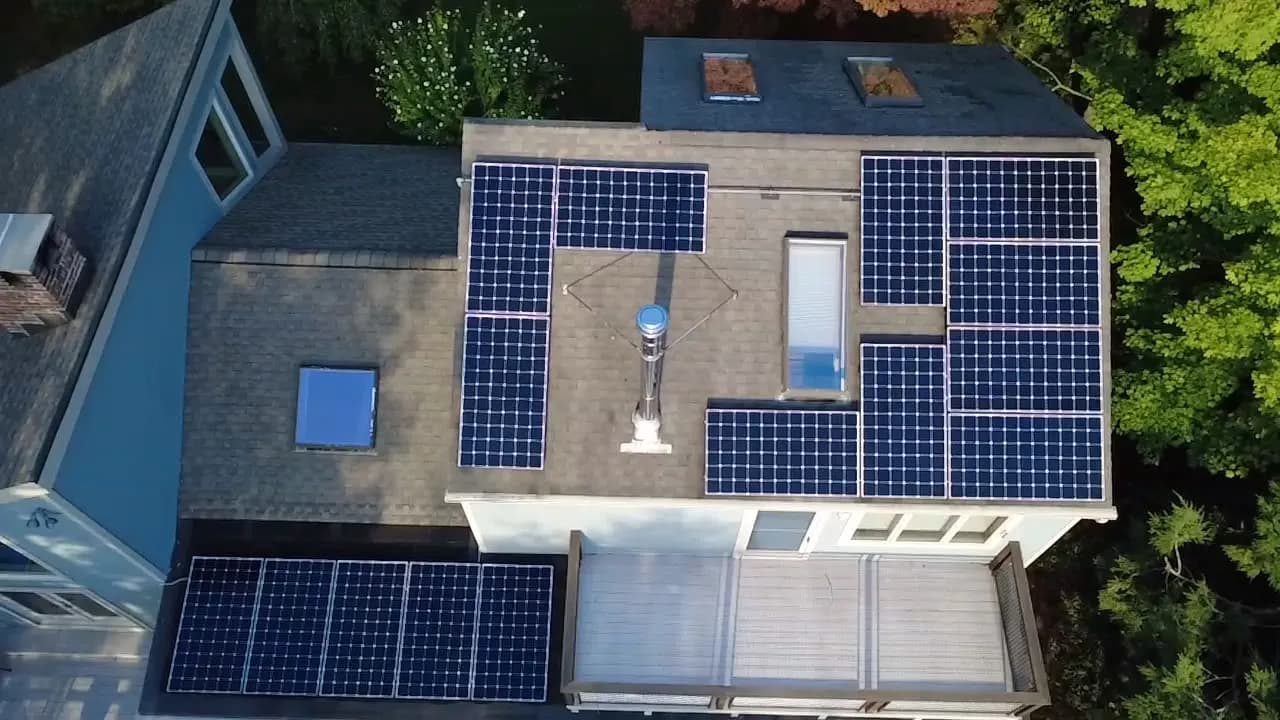
Solar service is a business where small mistakes can become expensive problems. A missed electrical issue can lead to lost production. Poor documentation can make a future repair harder. A panel removed during a roof replacement can be damaged or reinstalled incorrectly. A service issue that is not properly recorded can leave the next technician starting from scratch.
That is why standard operating procedures (SOPs) matter so much in solar service.
An SOP is a documented process for completing a repeatable task. In solar, that can mean procedures for inspections, troubleshooting, system shutdowns, safety, documentation, customer communication, removal and reinstall projects, preventive maintenance, and quality control. The U.S. Department of Energy's guidance on optimizing solar PV performance emphasizes the importance of documented operations and maintenance plans, including preventive maintenance schedules, system documentation, troubleshooting procedures, service histories, training, and responses to system alerts.
But SOPs are not only about maintaining solar panels. They are about maintaining the company responsible for them.
Consistency Matters When You Are Servicing a 25-Year Asset
A solar system can operate for 25 years or longer. The Department of Energy notes that PV systems generally have operating lifetimes of roughly 20 to 30 years, which means the service relationship surrounding that equipment can extend far beyond the original installation. During that time, technicians change. Equipment manufacturers change. Inverters are replaced. Roofs need work. Monitoring platforms change. Original installers may even go out of business.
The procedures surrounding the system create continuity. Imagine two technicians arriving for the same service call. One checks the inverter, confirms that the system is producing, and leaves. The other follows a company procedure that includes checking production, reviewing system alerts, inspecting visible wiring, photographing equipment labels, recording findings, documenting roof conditions, and leaving notes for the next technician. Both technicians may be experienced. But only one process creates a consistent record that the company can use in the future. That same thinking is reflected in NREL's Best Practices for Operation and Maintenance of Photovoltaic and Energy Storage Systems, which covers areas including system monitoring, preventive maintenance, corrective maintenance, documentation, safety, and performance.
SOPs Become More Important as a Company Grows
A small company can survive for a while with information living inside the owner's head. Someone has a question; they call the owner. A technician encounters something unusual; they call the most experienced employee. That becomes harder as the company grows. Eventually, a business needs a way to make sure a customer receives a similar level of service regardless of which technician, office employee, or manager handles the job. That is where SOPs become part of the business itself.
The U.S. Small Business Administration provides resources on managing and growing a business, including areas such as employees, finances, compliance, and day-to-day operations. The principle applies directly to a solar service operation: a company becomes easier to manage when repeatable work has a repeatable process. There is also a training advantage. OSHA's guidance on recommended safety and health programs emphasizes establishing procedures, training workers, identifying hazards, and continuously improving workplace practices. In solar service, where employees may work around electrical equipment, rooftops, ladders, and aging components, procedures are not just an efficiency tool. They are part of operating responsibly.
Remove and Reinstall Is a Good Example
Solar panel removal and reinstall, referred often as R&R, shows why these procedures matter.
The panels have to be removed so roofing work can take place, but simply getting them off the roof is not enough. Equipment should be documented before removal. Components need to be handled and stored properly. The layout needs to be recorded. The roofing contractor and solar crew need to coordinate. The system then needs to be reinstalled, inspected, tested, and returned to operation.
A documented process makes it much less likely that an important step disappears between removal and reinstallation. The same applies to inverter replacements, troubleshooting visits, critter damage repairs, system inspections, monitoring alerts, and commercial solar maintenance. SEIA's resources on solar industry standards show how important standardized practices have become as the solar industry continues to mature.
The Connection Between SOPs and Longevity
There is a direct connection between procedures and the ability of a company to stay dependable over time. Businesses lose employees, experienced technicians retire, managers change, technology changes customer volume increases, new services are added.
If every important process depends on one person remembering how something should be done, the company becomes vulnerable every time something changes. SOPs preserve knowledge. They give new employees something to learn from. They give experienced employees a standard to follow. They give managers something to measure. They create documentation when problems occur. Most importantly, they make the customer's experience less dependent on which individual happens to handle the job.
There is a useful parallel between running a solar system and running a solar service company.
The Department of Energy's solar O&M guidance explains how preventive maintenance and proper operations can increase energy delivery, reduce downtime, extend equipment life, and reduce risk. A business works in a similar way. Problems are easier and less expensive to correct when processes exist to catch them early. A solar system needs a maintenance plan if it is expected to perform for decades. A solar service company needs operating procedures if it expects to be there to service it.
For customers choosing who will maintain an asset designed to sit on their property for the next 20 or 30 years, that behind-the-scenes discipline matters just as much as what happens on the roof.