Commercial Solar Maintenance: Small Checks, Big Savings
Regular checks on commercial solar systems can prevent pricey inefficiencies. Simple preventive maintenance boosts savings and investment longevity.
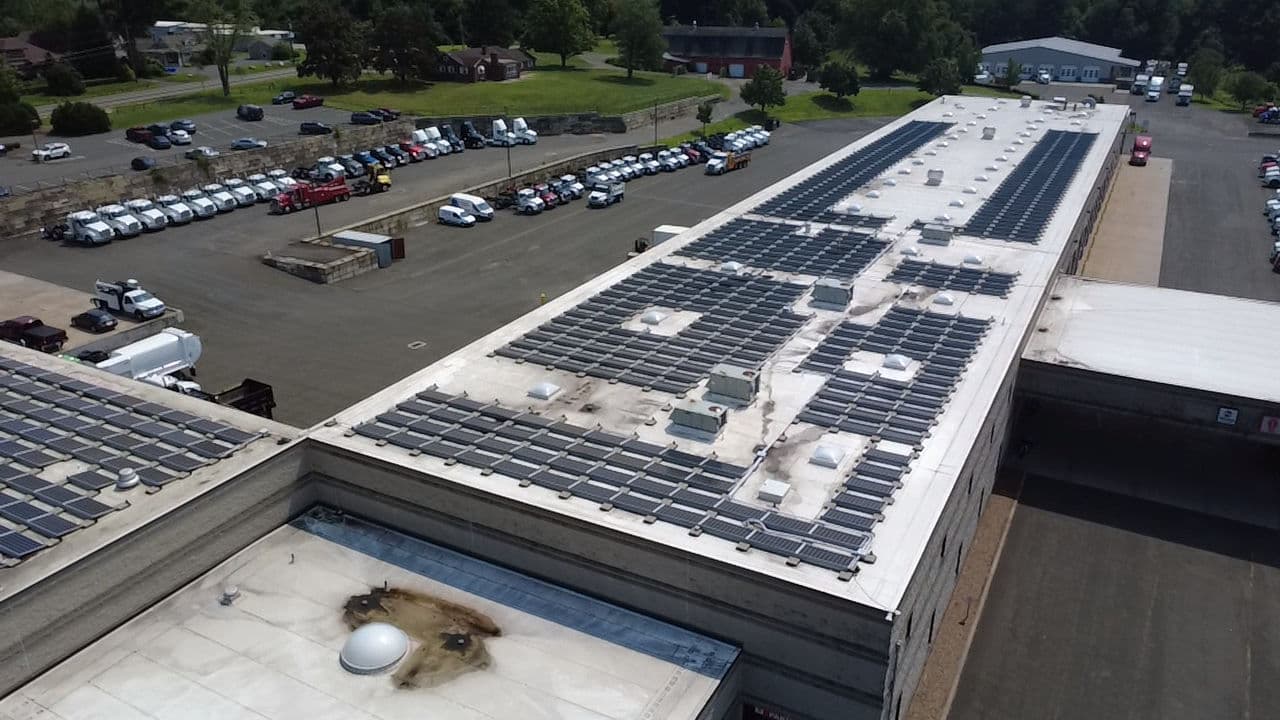
A commercial solar system can represent hundreds of thousands or even millions of dollars in equipment sitting on a rooftop, parking structure, or property. Yet after installation, many systems receive surprisingly little attention.
That can get expensive.
A dirty section of panels, inverter fault, damaged wire, corroded connection, or failed string may not shut the entire system down. Instead, the system can continue operating at reduced capacity, quietly producing less electricity and delivering less savings month after month.
For commercial property owners and facility managers, preventive commercial solar maintenance is one of the simplest ways to protect that investment.
Solar Is Low Maintenance, Not No Maintenance
Solar panels don’t have many moving parts, which is one reason photovoltaic systems can operate for decades. But the system includes far more than panels.
Inverters, wiring, connectors, racking, monitoring equipment, electrical components, and other equipment all have to continue working together.
The U.S. Department of Energy's solar operations and maintenance guidance recommends regular O&M to help photovoltaic systems meet energy production targets throughout their operating lives. Preventive maintenance can also reduce risks associated with soiling, corrosion, micro-cracking, and other problems.
That distinction matters for commercial properties. A system does not necessarily have to stop producing electricity for something to be wrong.
Small Problems Can Quietly Reduce Solar Production
Some of the most common problems are also easy to overlook.
Dirt, pollen, leaves, bird droppings, and other debris can reduce the sunlight reaching the modules. NREL's PV module soiling research tracks measurable energy losses caused by soiling across photovoltaic sites throughout the United States.
Then there are electrical and equipment problems. An inverter can develop faults. Connections can loosen or corrode. Animals can damage exposed wiring. Individual strings or sections of an array can underperform while the rest of the system continues producing.
For a facility manager looking at the property's total electric bill, the change may not immediately stand out.
Lost Production Is Lost Money
Consider what even a relatively small production decline means on a large commercial array.
If a system is expected to offset a substantial portion of a property's electricity consumption, every day of reduced production means more electricity has to come from the grid. When an issue goes undetected for weeks or months, those losses accumulate.
An inverter failure can be even more significant because a large portion of the array may stop producing until the problem is diagnosed, parts are sourced, warranty claims are handled, and repairs are completed.
Commercial solar monitoring can help shorten that timeline. SolarEdge's commercial O&M resources, for example, emphasize remote monitoring and troubleshooting as ways to recognize problems quickly and minimize system downtime.
Maintenance records can also become important when dealing with warranties and equipment replacements. Warranty terms vary by manufacturer and component, making it worth knowing what equipment is installed, when coverage expires, and what documentation has been maintained.
What Should Commercial Solar Maintenance Include?
A good commercial solar maintenance program should focus on finding problems before they become expensive ones.
Depending on the system, that can include physical inspections, electrical diagnostics, inverter checks, production analysis, monitoring review, wiring and connection inspections, cleaning when conditions justify it, and checking for visible damage caused by weather, animals, debris, or aging equipment.
Monitoring is an important part of that process, but it should not be the only part.
A dashboard can show that production changed. A hands-on inspection can help determine why.
This becomes especially valuable for businesses managing multiple buildings. Instead of waiting for individual sites to report problems, scheduled solar O&M services create a consistent process for checking system health across the portfolio.
Protect The Solar Asset You Already Own
Your commercial solar installation was designed to generate electricity and financial returns for decades. Protecting that investment does not necessarily require major repairs or expensive upgrades.
Often, it starts with simply knowing how the system is performing.
SunQuest Solar provides commercial solar service, maintenance, diagnostics, monitoring, cleaning, and repair for existing solar installations throughout Connecticut, Massachusetts, Rhode Island, and the wider Northeast.
If your commercial system has not received a recent physical inspection, now is a good time to establish its current condition and identify anything affecting production.