Roof Replacement And Your Solar Panels: Why R&R Matters Before The Roofers Arrive
Strategize solar panel removal and reinstallation for roof replacements to prevent damage and ensure warranties are intact.
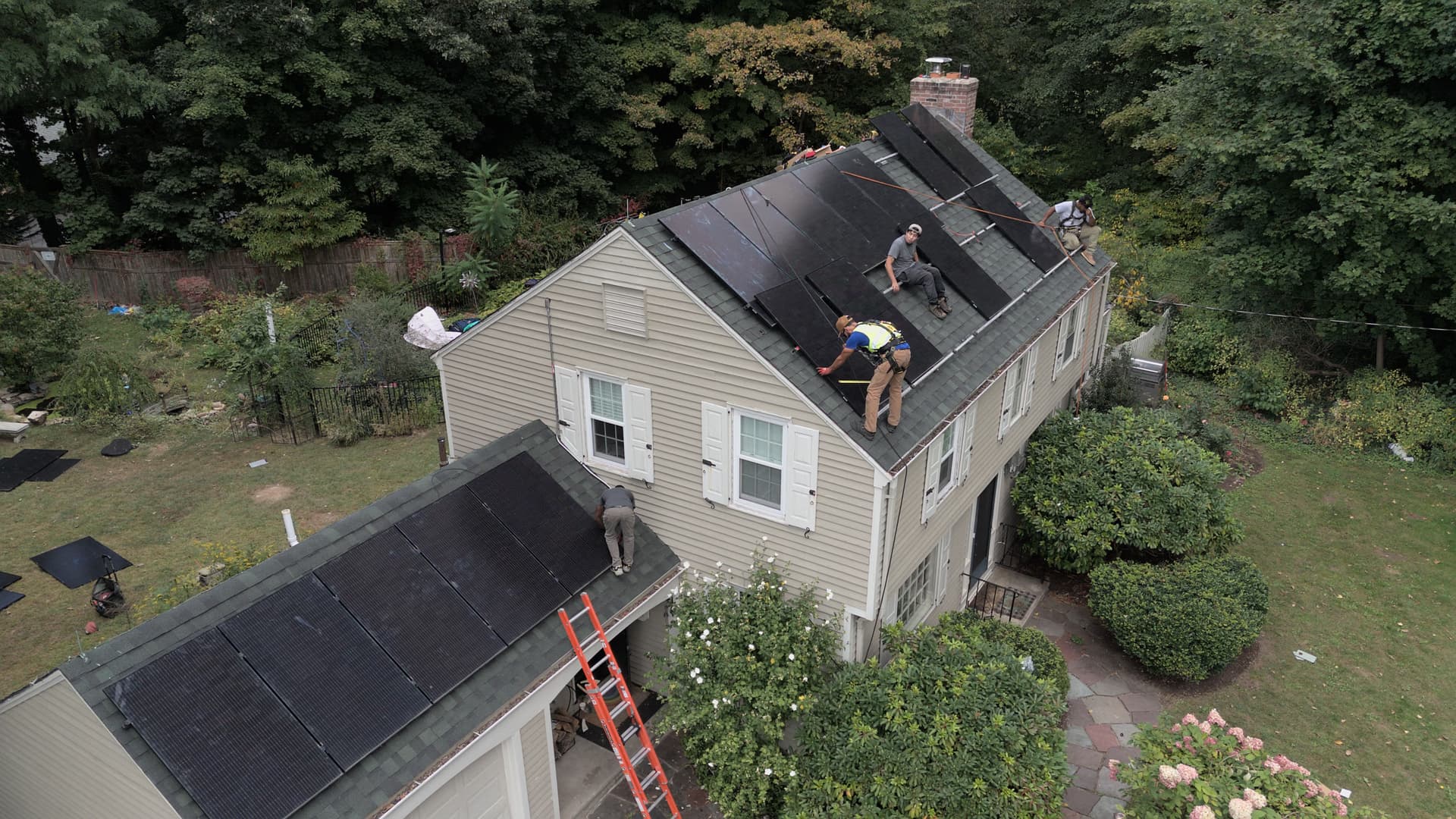
Solar panels are built to last a long time. In many cases, they can keep producing power for 25 to 30 years or more. The roof underneath them, however, may not last as long.
That is where many homeowners run into a problem.
If your roof is 15, 20, or 25 years old and already has solar panels installed, you cannot simply call a roofer and start the replacement. The panels are mounted directly to the roof, which means they have to be carefully removed before the roofing work begins and professionally reinstalled once the new roof is complete.
In the solar industry, this is called Remove and Reinstall, often shortened to R&R. It is also called detach and reset.
For homeowners, the idea is simple: take the panels down safely, let the roofers replace the roof, then put the system back up the right way.
Why Solar Panels Often Outlast The Roof
The problem usually comes down to timing. According to the U.S. Department of Energy, modern solar panels are often expected to operate for roughly 25 to 35 years. Asphalt shingle roofs, on the other hand, are usually closer to the 20 to 30 year range depending on the material, installation, climate, and maintenance. Basic three-tab shingles are often closer to 20 years, while architectural shingles can last longer.
That means a homeowner can still have perfectly good solar panels sitting on top of a roof that is ready to be replaced.
This is more common than many people realize. Roughly 15% of solar homeowners will need a remove-and-reinstall during the life of their system because the roof ages out before the panels do.
If your roof is already more than 15 years old, it is worth thinking about R&R before there is a leak, soft decking, or emergency roof issue.
Why The Roofer Should Not Move Your Panels
It may seem easier to ask the roofing crew to move the panels out of the way, but that can create expensive problems.
Solar equipment is not just roof hardware. It includes electrical wiring, panels, racking, microinverters or optimizers, roof attachments, flashing, and monitoring components. If those parts are handled incorrectly, the system can be damaged before it ever goes back online.
There is also a major warranty risk. If an unqualified or uncertified crew handles the panels, it can void equipment warranties on up to 90% of modern solar systems. It can also create problems with the roofing warranty if the reinstall causes leaks, damaged flashing, or improper roof penetrations.
Many manufacturers require solar systems to be removed and reinstalled according to their specifications. In many cases, brand-new mounting hardware must be used during reinstall to help keep the system and roof protected. A professional solar detach and reset is designed to protect both sides of the project: the roof and the solar investment.
What Gets Reused And What Gets Replaced
A proper R&R does not mean replacing your entire solar system.
In most cases, the solar panels themselves are reused if they are still in good condition. The small electronics attached to the panels, usually called microinverters or optimizers, are also often reused. The racking, which is the metal rail system the panels sit on, can usually be reused as well if it passes inspection.
The main parts that should be replaced are the roof attachments and mounting hardware that connect the solar system to the roof. These are the pieces that penetrate or sit directly on the roofing surface, so they need to be updated when the new roof is installed.
That is why R&R is not just “taking panels off and putting them back.” It requires documentation, careful labeling, safe storage, new roof attachments, proper flashing, electrical reconnection, and final system testing.
What The Timeline Usually Looks Like
Most homeowners are surprised by how manageable the timeline can be when everything is planned in advance.
The solar removal usually takes about one day. The roofing work typically takes two to five days depending on the size of the roof, weather, crew schedule, and any repair work underneath the shingles. Once the roof is complete, the solar reinstall usually takes about one day.
That means the system is typically offline for about four to seven days total. During that time, the panels are not producing power or savings, but the short pause is much better than rushing the job and risking leaks, damaged equipment, or lost warranty coverage.
The best R&R projects happen when the solar company and roofing contractor are coordinated before work starts.
What R&R Costs In The Northeast
In the Northeast, solar panel removal and reinstall usually costs somewhere between $2,500 and $9,500 depending on the system size and complexity. Larger systems, especially those with 15 to 25 panels or multiple roof planes, usually land toward the higher end.
The price depends on the number of panels, roof pitch, system layout, access, equipment condition, electrical complexity, storage needs, and whether any components need to be replaced. National cost guides for removing and reinstalling solar panels often show a wide range because no two systems are exactly the same.
What matters most is not finding the cheapest crew. It is making sure the system is removed, stored, reinstalled, and tested correctly.
A low-cost job can become expensive fast if it leads to a roof leak, broken panel, damaged wiring, failed inspection, or denied warranty claim.
The Smart Move Before Replacing Your Roof
If your roof has less than 20 years of life left, it is usually smarter to deal with the roof before committing to long-term solar work. If you already have solar and your roof is nearing the end of its life, do not wait until the roofers are already scheduled to think about the panels.
Plan the solar R&R first.
A qualified solar service team can review the system, document the equipment, coordinate the removal, work with the roofing timeline, reinstall the panels, and make sure everything is producing again once the roof is finished.
For homeowners in Connecticut and the Northeast, SunQuest Solar handles solar panel removal and reinstallation for roof replacement projects, system repairs, and existing solar systems that need professional service.
Your roof protects your home. Your solar protects your energy savings. When the roof needs to be replaced, the right R&R plan helps protect both.