Why Solar Panel Removal and Reinstallations Matter During Roof Repairs
Discover the importance of solar panel removal and reinstallation during roof repairs to protect your investment and ensure seamless system performance.
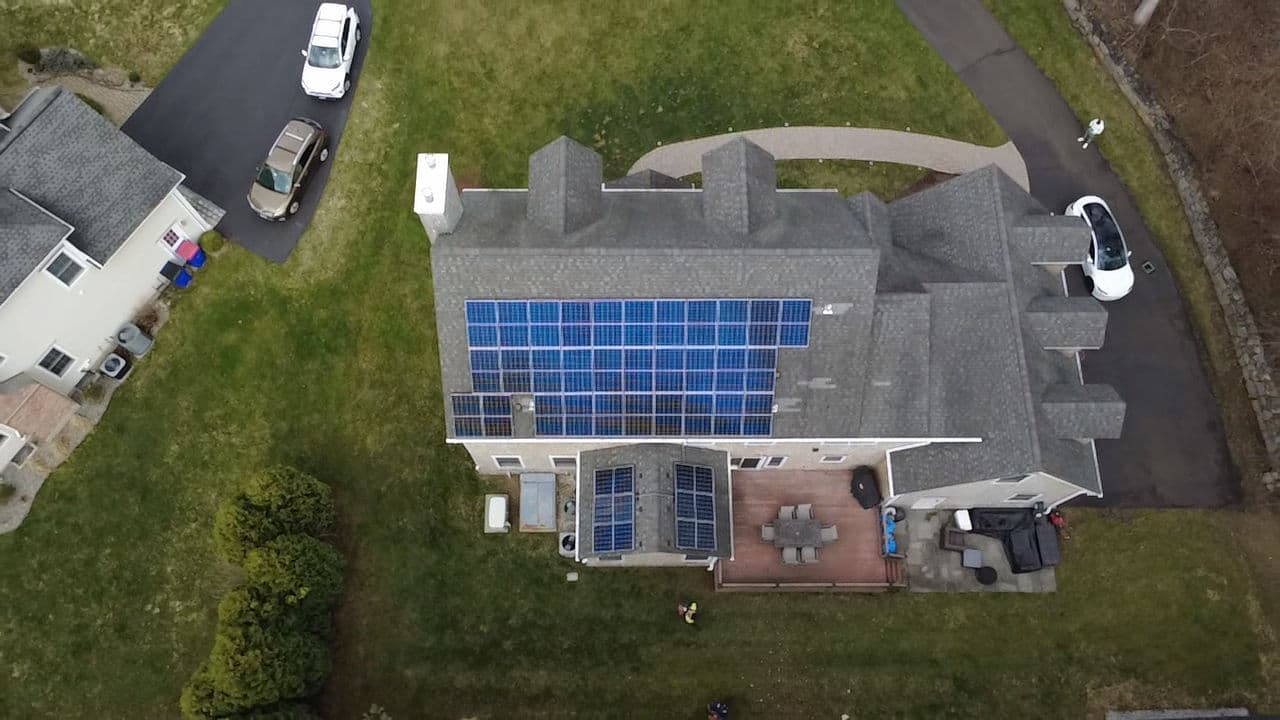
When homeowners plan for a roof repair or full replacement, most of the attention goes to shingles, leaks, flashing, and cost. But if the home already has solar, there is another piece of the project that deserves just as much attention: solar panel removal and reinstallation.
This process, often called an R&R or Detach & Reset, is not just a box to check before the roofer arrives. It helps protect the roof itself, the solar equipment, and the homeowner’s long term investment. Since most solar systems are expected to last 25 to 30 years, many homeowners will need roofing work at some point while their panels are still producing. That is why removal and reinstallation have become such an important service for solar owners.
Why Solar and Roofing Need to Be Planned Together
Roof repairs and solar systems are more connected than many homeowners realize. A roofing crew needs clear access to the roof surface to inspect decking, replace worn materials, and properly seal areas that are vulnerable to leaks. If panels stay in place during major roofing work, it becomes harder to do the job thoroughly, and that can raise the risk of missed damage or future water issues.
That is one reason EnergySage’s guidance on replacing a roof under solar panels points out that solar panels often outlast the roof beneath them. For many homeowners, it is not a matter of if removal and reinstallation will come up, but when.
What a Proper Removal and Reinstallation Includes
A professional R&R is much more than taking panels off the roof and placing them back later. It usually starts with safely shutting the system down and disconnecting electrical components. From there, technicians remove the modules and racking, protect the equipment while the roof work is completed, and then return to reinstall and test the system once the roofing portion is done.
That final step matters more than homeowners may think. NREL’s operations and maintenance best practices for photovoltaic systems stress the importance of inspection, monitoring, and maintenance after service work. In simple terms, getting the panels back on the roof is only part of the job. Making sure the system is operating the way it should is what finishes it.
Why Professional Handling Matters
This is where cutting corners can create expensive problems. A roofing crew may be excellent at roofing, but solar systems involve electrical wiring, mounting hardware, and manufacturer requirements that need specialized handling.
For example, Enphase installation manuals note that only qualified personnel should install, troubleshoot, or replace system components. Tesla’s inverter safety instructions also make it clear that certain solar components are not user serviceable and should be handled by certified professionals.
There is also the warranty side to consider. Enphase’s homeowner warranty information directs customers to certified installers for covered equipment issues. If a system is removed or reinstalled incorrectly, homeowners could end up facing avoidable performance problems, service calls, or warranty complications later.
Timing Can Make the Whole Project Easier
One of the biggest reasons removal and reinstallations matter is timing. Roofing projects often move quickly. If the solar portion is not coordinated early, the homeowner can run into delays, added labor costs, or more downtime than expected.
A smoother project usually looks like this: the solar team removes the panels before roofing begins, the roofer completes the repairs or replacement, and then the solar team returns to reinstall and test the system. Tesla’s support page for solar panel removal and reinstallation shows just how common this process has become during reroofing and major home updates.
When Homeowners Should Start the Conversation
Homeowners do not need to wait until the roof is actively leaking to think about this. If the roof is aging, storm damage has appeared, or a larger renovation is already in the works, it makes sense to bring up solar early in the planning process.
That early coordination gives both the roofer and solar provider time to line up the schedule, manage expectations, and reduce disruptions. It also gives the homeowner a better sense of cost, project timing, and whether any solar components should be inspected or updated during the reinstall.
The Bottom Line
Roof repairs are no longer just roof repairs when solar is involved. They are also about protecting a system that the homeowner depends on for long term energy savings. Proper removal and reinstallation help ensure the roof is repaired the right way and the solar system comes back online safely and producing as expected.
At SunQuest Solar, we specialize in professional solar removal and reinstallation services that keep projects on schedule and systems protected. Call or message us today to schedule your R&R consultation and make sure your system is in the best hands before, during, and after your roofing project. 860-256-4811 / Gosunquestsolar.com