What the Manchester Walmart Solar Fire Should Tell Every Commercial System Owner
Learn why regular inspections are crucial for commercial solar systems, as shown by the Walmart solar panel incident.
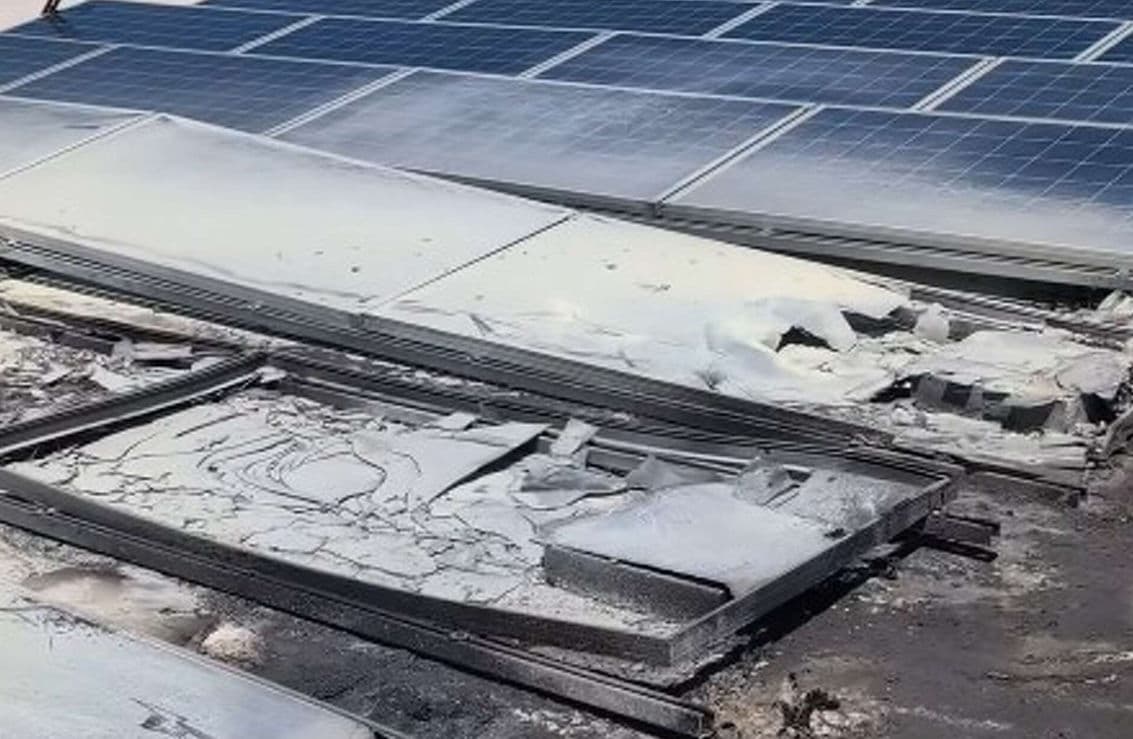
On Sunday, July 12, several banks of solar panels caught fire on the roof of the Walmart on Buckland Hills Drive in Manchester, Connecticut. The fire started during business hours, while employees and shoppers were inside the building.
According to WFSB’s report on the Manchester solar fire, a Walmart employee used several fire extinguishers to knock down part of the fire before firefighters arrived. Crews extinguished the remaining flames, secured the area, and inspected the roof and store. The building sustained minor roof damage, no injuries were reported, and the store reopened after being closed for about an hour. The cause of the fire has not been announced.
The incident could have been much worse. It also offers an important reminder for anyone responsible for a commercial solar system: rooftop solar is an active electrical infrastructure installed above an occupied building. It needs more than an occasional glance at a production dashboard.
Commercial Solar Is Not “Set and Forget”
Commercial solar systems are expected to operate for decades. During that time, every component remains exposed to heat, cold, wind, moisture, animals, roof work, and normal material aging.
Connections can loosen. Wiring can sag or become damaged. Moisture can enter electrical enclosures. Corrosion can form. Debris and animal nests can collect beneath arrays or around equipment. Inverters, combiner boxes, connectors, and other electrical components can also develop hot spots that may not be obvious from inside the building.
The U.S. Department of Energy’s guidance for existing solar systems recommends preventive maintenance that includes managing debris, removing animal nests, checking wire management, and conducting electrical inspections after repeated inverter trips rather than simply restarting the equipment.
These are not cosmetic issues. They can affect system production, equipment life, the roof beneath the array, and the safety of the property.
Your Monitoring Dashboard Cannot See Everything
Remote monitoring is an important part of commercial solar maintenance. It can show whether production has declined, an inverter has stopped reporting, or a section of the array is underperforming.
However, monitoring mainly tells you what the system is producing. It does not replace someone physically examining the equipment.
A dashboard may show that output dropped, but it may not reveal whether the problem is damaged insulation, a loose connector, water inside an enclosure, animal activity, debris under the array, or an overheating component. Even a system that appears to be producing normally can have physical damage developing in an area the monitoring platform does not measure directly.
The Department of Energy treats performance monitoring and preventive maintenance as separate parts of a complete solar operations and maintenance program. Its guidance recommends documented inspection reports, repair procedures, maintenance schedules, system records, and plans for responding to monitoring alerts.
What a Commercial Solar Health Check Should Cover
A useful commercial solar inspection goes beyond checking whether the inverter is online. A qualified technician should examine the modules, wiring, connectors, mounting equipment, inverters, combiner boxes, disconnects, roof penetrations, and accessible areas beneath the array.
The inspection should look for loose or unsupported wiring, damaged insulation, corrosion, moisture, overheated equipment, cracked modules, failed fasteners, debris, animal activity, and visible roof concerns. Thermal imaging may also be used to identify abnormal heat in modules, connectors, cabling, inverters, and other electrical equipment.
FM’s 2026 guidance for roof-mounted solar systems recommends visual electrical equipment inspections every six months, annual inspections of mechanical components, annual checks of roof penetrations, and periodic thermographic inspections of accessible solar electrical equipment.
The exact maintenance schedule will depend on the system design, equipment manufacturers, site conditions, warranties, insurance requirements, and previous service history. But going years without a physical inspection leaves too much unseen.
Maintenance Protects More Than Energy Production
When owners think about solar maintenance, lost energy production is usually the first concern. That matters, especially on a large commercial array, but it is only part of the cost.
An unresolved problem can lead to inverter failure, roof damage, emergency service calls, system shutdowns, business interruptions, insurance claims, and more expensive repairs. A rooftop incident can also affect employees, customers, tenants, inventory, and emergency responders.
Regular maintenance gives property owners an opportunity to identify smaller problems before they become larger ones. It also creates a documented service history showing what was inspected, what was found, and what was repaired.
When Was Your System Last Physically Inspected?
The cause of the Manchester Walmart fire is still unknown, so it would be irresponsible to blame a specific component or maintenance failure. The broader lesson does not depend on the final investigation.
Commercial solar systems need physical attention throughout their operating life.
If your rooftop system has not received a hands-on health check within the past year, now is the time to schedule one. Do not wait for a major production loss, inverter failure, roof leak, or emergency on top of your building to find out what has been happening beneath the panels.
SunQuest Solar provides commercial solar service, troubleshooting, inspections, maintenance, and repair for existing systems. A preventive inspection today can help protect the system, the roof, and the people working beneath it.