Why Critter Guard Installation Matters After A Tough Winter
After a harsh winter, critter guard installation is crucial to prevent damage under solar panels. Protect your investment and ensure peak efficiency.
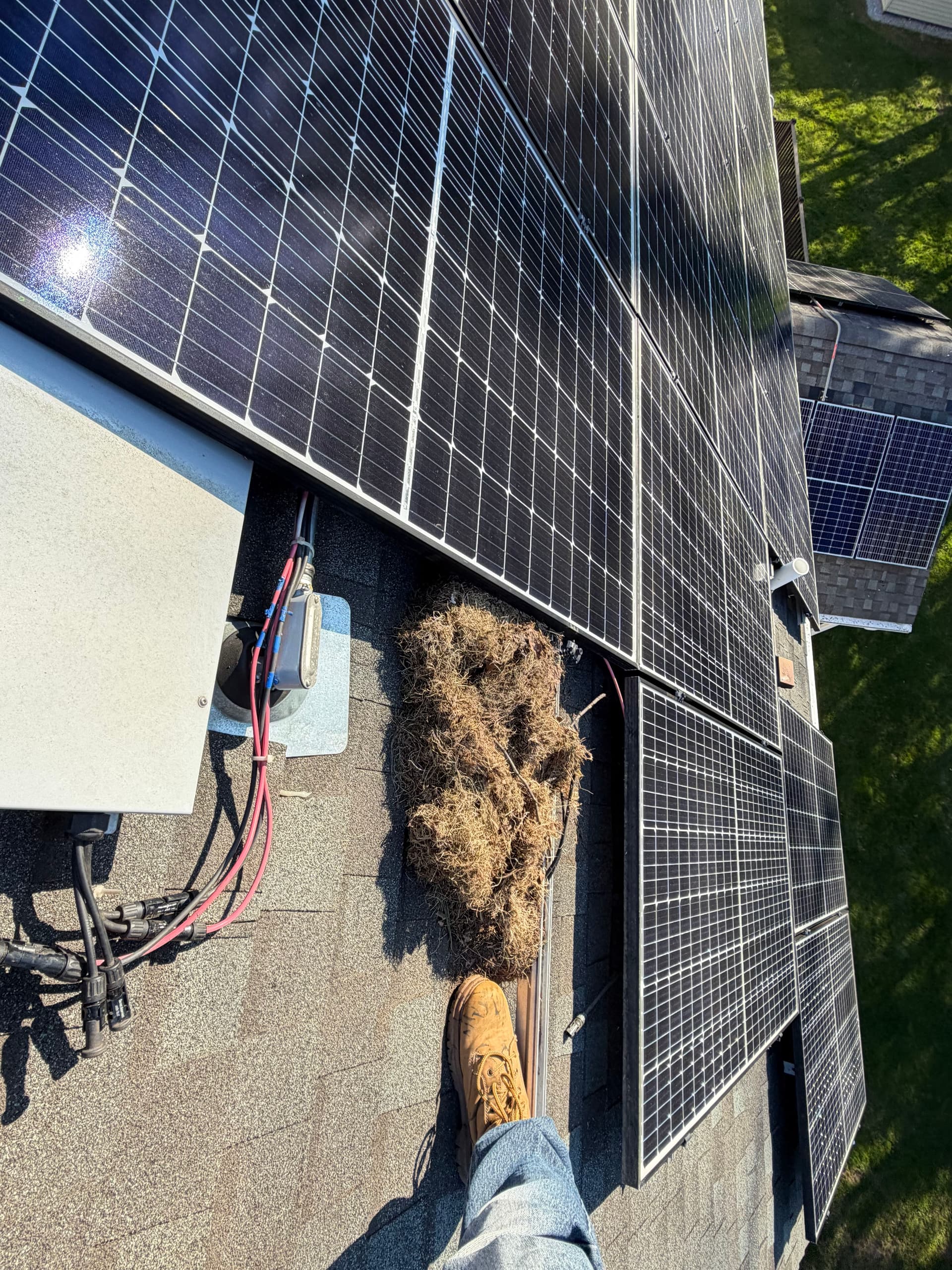
After a harsher than usual winter, many solar system owners are focused on snow, storms, and spring cleanup. What’s often missed is what happens underneath the panels.
At SunQuest Solar, we’ve seen a noticeable rise in service calls tied to critter damage under solar panels, especially from squirrels, birds, and other small animals nesting beneath the array. It is a problem that can stay hidden for months, then turn into expensive repairs, system downtime, and avoidable safety issues.
For homeowners, this is the right time to think about proactive critter guard installation. A protective barrier added now can help prevent chewed wiring, nesting debris, and solar production loss before the damage starts.
Why Animals Go Under Solar Panels
Solar panels create a sheltered space that many animals find appealing. It’s elevated, protected from rain and wind, and typically warmer than the surrounding roof areas. After a long winter, those spaces can become more attractive for nesting and shelter.
When animals get under a system, the issue is not just the nest itself. The bigger risk is what comes next. Squirrels and rodents chew wires, while birds can bring in sticks, leaves, and debris. Nesting material can trap moisture and create a mess that is hard to spot from the ground. Over time, that can lead to damaged components, electrical issues, and reduced solar output.
Homeowners looking to understand long term system care better can review the U.S. Department of Energy’s Homeowner’s Guide to Solar, the DOE’s broader Solar Energy Resources for Consumers, and EnergySage’s overview of solar panel maintenance, all of which reinforce why regular inspection and system awareness matter.
What Critter Damage Can Actually Cost
One of the biggest misconceptions is that animals under panels are only a minor nuisance. In reality, solar critter damage can become costly fast.
A single chewed wire can create performance issues that are hard to catch right away. A system may still be producing power, just not at the level it should. That means homeowners may not realize there is a problem until they notice higher electric bills, lower production in the monitoring app, or an inverter alert.
By then, the repair may involve more than a simple visit. Depending on the damage, service can require diagnostics, electrical repairs, temporary panel removal, and replacement of damaged components. Those costs can quickly add up, especially compared to the cost of installing a solar panel critter guard before any damage occurs.
Signs Your Solar System May Already Have Critter Activity
Many homeowners do not know there is an issue until the damage is already done. A few common warning signs include:
A drop in solar production that does not match the weather
Unusual inverter notifications or fault messages
Sounds of scratching, movement, or nesting near the roofline
Debris falling from under the panels
Visible animal activity around the array
If any of these show up, it is worth scheduling a professional inspection sooner rather than later. Catching the problem early can make a major difference in repair scope and cost. For homeowners comparing symptoms, EnergySage also has useful explainers on underperforming solar panels and when solar panel repair is needed.
Why Spring Is The Best Time To Install Critter Guards
Spring is one of the best times to install critter guards for solar panels. Winter has passed, roofing conditions are easier to work with, and homeowners are already thinking about seasonal maintenance. It is also the ideal time to protect the system before warm-weather nesting activity increases.
A properly installed critter guard acts as a protective barrier around the perimeter of the solar array, helping keep animals out while allowing the system to ventilate as designed. When installed correctly, it helps protect wiring and components without interfering with solar panel performance.
This kind of preventive step fits well with broader best practices for system care. Homeowners planning seasonal upkeep can also look at the DOE’s guidance on planning a home solar electric system and NREL’s best practices for photovoltaic operation and maintenance for further background on protecting solar equipment over time.
Protecting System Performance And Long Term Value
Solar is a long term investment, and protecting that investment means thinking beyond just panel production on a sunny day. Small issues under the array can turn into bigger system problems if left alone. A nest today can become wiring damage tomorrow. A hidden wiring issue can become lost production over an entire season.
That’s why preventing critter damage under solar panels is about more than pest control. It is about safety, efficiency, and preserving the value of the system over time.
For homeowners who want their solar system to perform reliably year round, proactive protection is often the smarter move than waiting for a repair call.
A Simple Step That Can Prevent Major Repairs
If you own a solar system and have not had it checked for critter activity, now is a smart time to do it. A proactive critter guard installation can help stop damage before it starts, reduce the risk of expensive service work, and keep your system operating the way it should.
At SunQuest Solar, we’re encouraging system owners to take a preventive approach this season. After a rough winter and a rise in critter-related service calls, this is one of the simplest ways to protect both your roof and your solar investment.
If your system has shown signs of reduced performance, or if you want added protection before animals move in, a professional inspection and critter guard installation can go a long way.
Don't Wait Protect Your Solar Investment Today
Spring critter season is here. Schedule your critter guard inspection now and avoid costly repairs tomorrow. Call 860-256-4811 or visit gosunquestsolar.com to book your assessment.
SunQuest Solar Team
(860)-256-4811
Your Go-To Solar Service Provider