Mid-Winter Solar Health Check: How to Know If Your System Is Quietly Underperforming
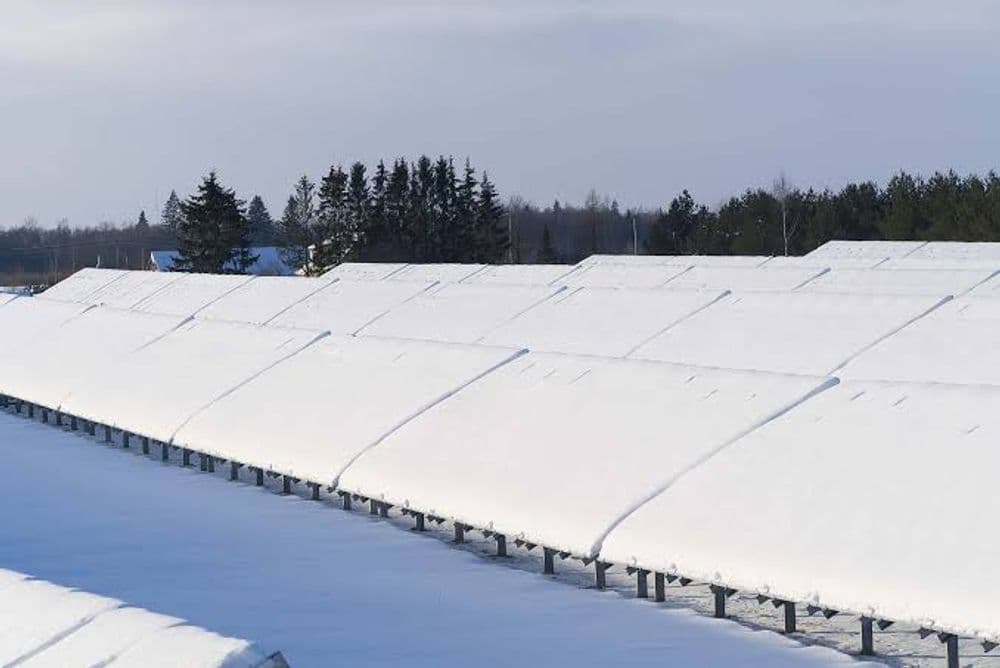
If you already own solar in Connecticut or the Northeast, February is when small issues can hide in plain sight. Snow, short days, and cold weather can lower output, but a solar system underperforming in winter usually leaves a different trail in your monitoring app.
We have also had a run of serious storms lately. NOAA has been tracking major winter systems bringing widespread snow, ice, and dangerous cold, and NASA satellite imagery has shown large snow coverage stretching across big parts of the country.
Here’s how to spot real red flags now, so you are ready when spring sun shows up.
Snow on panels: do not climb on the roof
After a snowstorm, a lot of homeowners want to clear panels right away. In most cases, that is not needed, and it can be dangerous. Icy roofs are a major fall risk, and safety is number one.
Snow often slides off or melts off naturally once the sun hits the panels and temperatures move in the right direction. EnergySage notes that snow typically slides off solar panels on its own, so homeowners usually do not need to remove it themselves.
On the technical side, NREL’s PV O&M best practices also discuss snow behavior on arrays, and it warns that snow removal can risk damage to modules and wiring if it is done aggressively.
Bottom line, if you think snow load is a true roof concern, or you are not sure what you are seeing, call a professional. Do not try to solve it by going on an icy roof.
What normal February solar production looks like in the Northeast
February production should be lower than peak spring and summer, but it should not be flat. A normal winter pattern usually looks like this:
Lower totals overall, still producing on clear days
Day to day swings with weather, sunny spikes, and cloudy dips
Recovery after storms, once the snow clears from the array
If winter is affecting you, your graph should look “smaller and bumpy,” not “missing and broken.”
Red flags to watch for
A few signs that often point to a real problem:
Several clear or partly sunny days with unusually low production
One section of the system (string, optimizer group, microinverter bank) is suddenly dropping compared to the rest
The inverter or app is showing repeated warnings, error codes, or “zero production” during a clear day
The 5 minute mid-winter self check
You can do a quick solar performance check with your monitoring app and one recent electric bill.
1) Open your monitoring app
Look at yesterday and the last 7 days
Think back to any clear days, check if production seems unusually low
Look for obvious gaps, long stretches of zero output while the sun was up
2) Compare to last year if you have it
If your app shows prior year data, compare a couple of similar weather days. You are not looking for a perfect match; you are looking for a major drop, like 30% to 50% lower on a similar sunny day with no big snow difference.
3) Check per panel or per string output if available
If your platform shows panel level or string level data, watch for:
One panel or one string is near zero, while others are producing
A section that fell behind starting around a specific date
4) Pull up your electric bill
Check how much energy you imported from the grid last month. If your habits have not changed much, but your imports are noticeably higher than last year, that can be a performance clue.
5) Quick sanity checks
Did you lose Wi-Fi, meaning monitoring went offline, or did the system stop producing?
Was the array covered for most of the period you are reviewing?
Any recent roof work, electrical work, or tree work near the system?
If it still looks off after this, it is worth a professional diagnostic.
A simple benchmark: PVWatts
If you want a fast “should this be in the ballpark” check, use PVWatts, which estimates expected solar production by month based on location and system assumptions.
This is not a perfect match for your roof, but it is a solid reference point when you are trying to decide if your February output looks reasonable.
Three common winter issues that quietly cost you money
These problems often do not show up as “system offline.” Homeowners usually just see lower numbers or a confusing alert.
Case example 1: Critter damaged wiring
Squirrels and birds can get under panels and chew wiring insulation, or build nests that trap debris. That can show up as one string producing less than the others, intermittent fault warnings, or random dips on sunny days. A pro diagnostic can locate the damage, fix it safely, and install critter guards to help prevent repeat problems.
Case example 2: A failing inverter
Inverters do not always fail all at once. Early signs can include random shutdowns, warnings that come and go, and output that keeps dropping compared to the same season in prior years. A technician can pull logs, test electrical performance, and help you sort out warranty options or replacement timing.
Case example 3: A tripped or marginal breaker
Sometimes the issue is not on the roof. A breaker tied to the solar circuit can trip during storms, trip again after reset, or become unreliable and cause intermittent production. A professional can trace the circuit, verify connections, and confirm the system is tied in safely.
Why a professional diagnosis matters before spring
Spring and early summer are when your system earns most of its annual value. Going into that season with part of the array underperforming is an easy way to lose kWh without realizing it.
A detailed diagnostic assessment usually includes:
Review of monitoring data and recent electric bills
On-site inspection of panels, wiring, junction points, and roof conditions
Electrical testing of strings, inverters, and breakers
Photos and a clear plan for fixes
Natural next step
If your mid winter self check raised questions, odd drops on clear days, repeated inverter warnings, one section lagging, or a bill that looks higher than it should, schedule a mid winter performance check before peak spring sun so you’re not leaving kWh on the table. Schedule your solar system check with SunQuest Solar today, visit our website at gosunquestsolar.com, or give us a call at 860-256-4811 to get started.