Your Solar Inverter Has an Expiration Date. Do You Know It?
Discover when to replace your solar inverter to ensure efficiency and avoid unexpected failures. Plan for inverter replacements effectively.
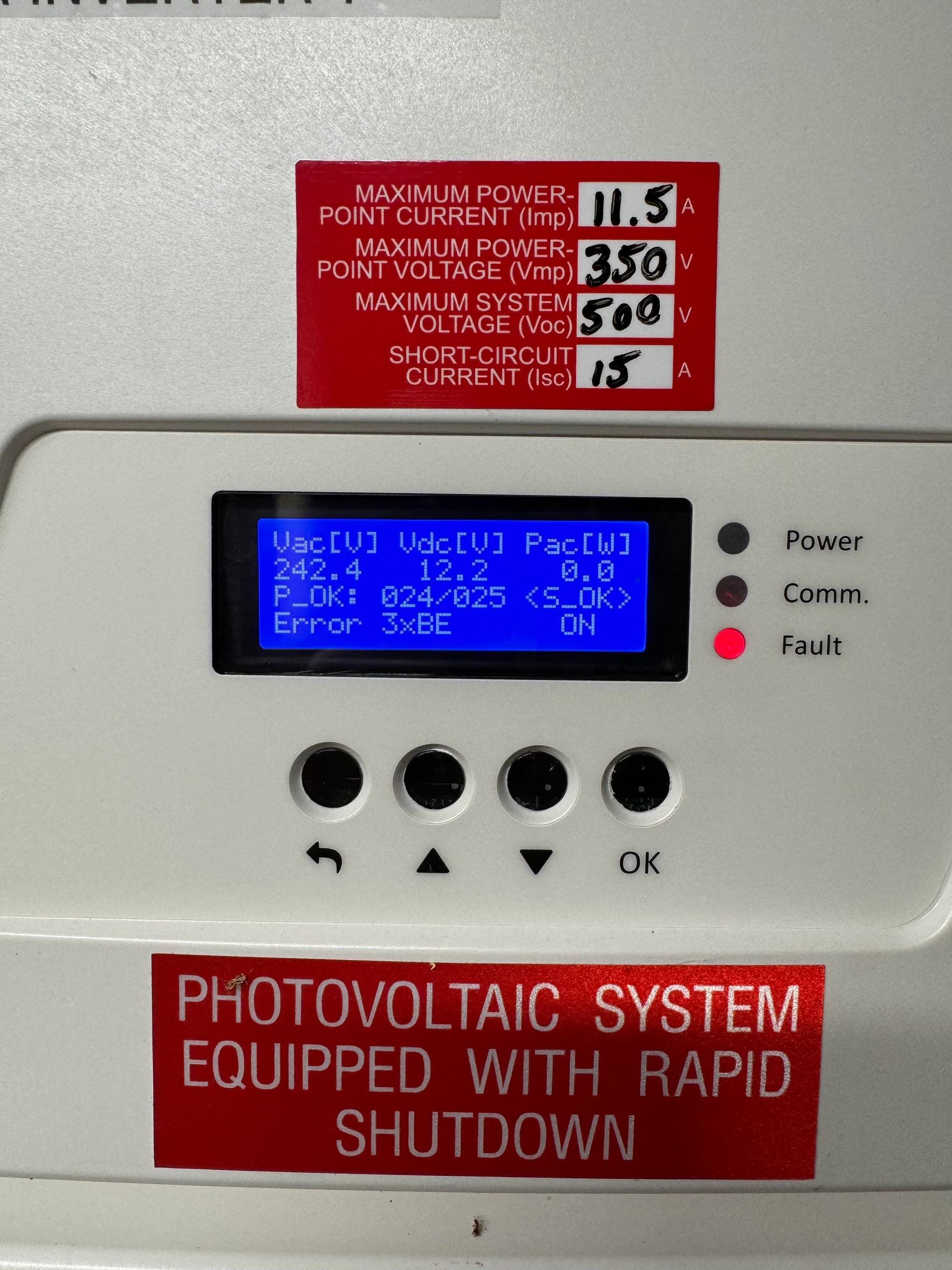
Solar panels receive most of the attention when homeowners think about the lifespan of a solar energy system. Panels are commonly designed to operate for 25 years or longer, but another important part of the system may not last nearly as long.
Your solar inverter is responsible for converting the direct-current electricity produced by your panels into alternating-current electricity that your home can use. Without a working inverter, the energy generated on your roof cannot meaningfully reduce your electric bill.
Many central or string inverters have an expected lifespan of approximately 10 to 15 years. EnergySage notes that string inverters may need replacement around 10 to 12 years into their lifespan. Newer microinverters can last 25 years or longer, depending on the manufacturer, model, operating conditions, and maintenance history.
That means homeowners with older solar systems may need at least one solar inverter replacement before their panels reach the end of their useful life.
The problem is that inverter failure does not always arrive with an obvious warning.
How Old Is Your Solar Inverter?
Start by finding the original installation date for your solar system. You should also identify the inverter manufacturer, model number, serial number, and warranty expiration date.
If you do not have the original installation paperwork, look for an equipment label on the side of the inverter. The model and serial number may also appear inside your solar monitoring application or online portal.
Warranty coverage varies by inverter type and manufacturer. For example, Enphase provides a 25-year limited warranty for many of its microinverters. SolarEdge owners can review the company’s inverter warranty information and use their serial number to check the remaining coverage.
Your warranty date is not a guaranteed failure date. An inverter could operate beyond its warranty or fail before coverage expires. However, knowing the age and warranty status of your equipment helps you prepare instead of being caught off guard.
Homeowners who cannot locate their system information can schedule a solar system diagnostic service to identify the installed equipment and evaluate current performance.
Warning Signs of Solar Inverter Failure
A completely blank monitoring dashboard is an obvious problem, but inverter trouble can begin more gradually.
Common solar inverter failure signs include:
Solar production dropping without a weather-related explanation
Repeated inverter shutdowns or restarts
Red, orange, or flashing warning lights
Error messages appearing in the monitoring application
The inverter remaining in standby or night mode during daylight
Unusual humming, clicking, heat, or burning odors
Some or all panels showing no production
Electric bills increasing despite similar energy usage
Monitoring data suddenly becoming inconsistent or unavailable
The Department of Energy recommends regularly reviewing production information, checking for inverter error messages, and budgeting for solar monitoring, diagnostics, preventive maintenance, and inverter replacement.
A monitoring problem does not automatically mean the inverter has failed. Internet connection issues, utility outages, damaged wiring, tripped breakers, panel-level faults, and communication errors can create similar symptoms.
A professional diagnosis should be completed before replacing equipment. SunQuest’s diagnostic process includes an inspection of the panels, inverter, wiring, electrical connections, monitoring system, and overall energy output.
What Does Solar Inverter Replacement Cost?
The cost of replacing a solar inverter depends on the inverter type, system size, equipment availability, labor requirements, electrical upgrades, warranty coverage, and whether additional damage is discovered.
Current estimates commonly place solar inverter replacement costs between approximately $800 and $5,000. Homeowners can review a more detailed breakdown of solar expenses after installation, including potential inverter replacement.
A manufacturer’s warranty may cover the replacement inverter while leaving the homeowner responsible for:
Diagnostic service
Labor
Shipping
Permits
Electrical work
Monitoring equipment
System recommissioning
This is why homeowners should review the full warranty rather than assuming “covered” means the entire repair will be free. EnergySage’s guide to solar inverter warranty coverage explains why equipment, labor, shipping, and workmanship coverage may be handled separately.
Equipment compatibility can also affect the final price. An older inverter model may no longer be available. The replacement could require updated monitoring equipment, electrical modifications, new optimizers, or other changes to the system.
Waiting Can Cost More Than the Repair
An inverter failure can leave the entire solar system offline, especially when the home uses one central inverter. During that downtime, the homeowner resumes purchasing electricity from the utility.
You may still be making solar loan or financing payments while receiving little or no solar production. Several weeks of missed generation can quietly add to the total cost of the failure, particularly when replacement equipment, warranty approvals, and service appointments take time to coordinate.
SunQuest recently completed an inverter replacement in Stamford, Connecticut after failed equipment left a customer’s system unable to produce properly. Once the new units were installed, the system was able to resume generating electricity.
Early warning signs may also indicate a repairable issue with communication, wiring, or a component. Ignoring them can allow a smaller problem to develop into a full system shutdown.
Should You Replace a Working Inverter Early?
A working inverter usually does not need to be replaced simply because it has reached a certain age. However, homeowners with systems approaching the 10-year mark should begin planning for the possibility.
Review the following information:
Original installation date
Inverter manufacturer and model
Remaining warranty coverage
Current and historical production
Recent error codes
Electric bill changes
Availability of compatible replacement equipment
A solar service and maintenance plan can help identify production issues before they become extended system outages. Regular monitoring also gives homeowners a clearer performance history if a warranty claim becomes necessary.
Plan Before Your Inverter Stops Working
Your solar panels may have many productive years remaining even when the original inverter is approaching the end of its expected lifespan.
You do not necessarily need to replace a working inverter early, but you should understand what is installed, when its warranty expires, and who to call when production changes.
SunQuest Solar specializes in maintaining and repairing solar systems that homeowners already own. Our team can diagnose inverter errors, investigate low production, assist with warranty replacements, and recommend the right repair or upgrade for your existing system.
Learn more about SunQuest’s professional solar inverter replacement services, or contact SunQuest Solar to schedule an inspection.
Do not wait until several electric bills reveal that your system has been offline. Check your inverter now and make sure your solar investment is still producing the energy you expected.